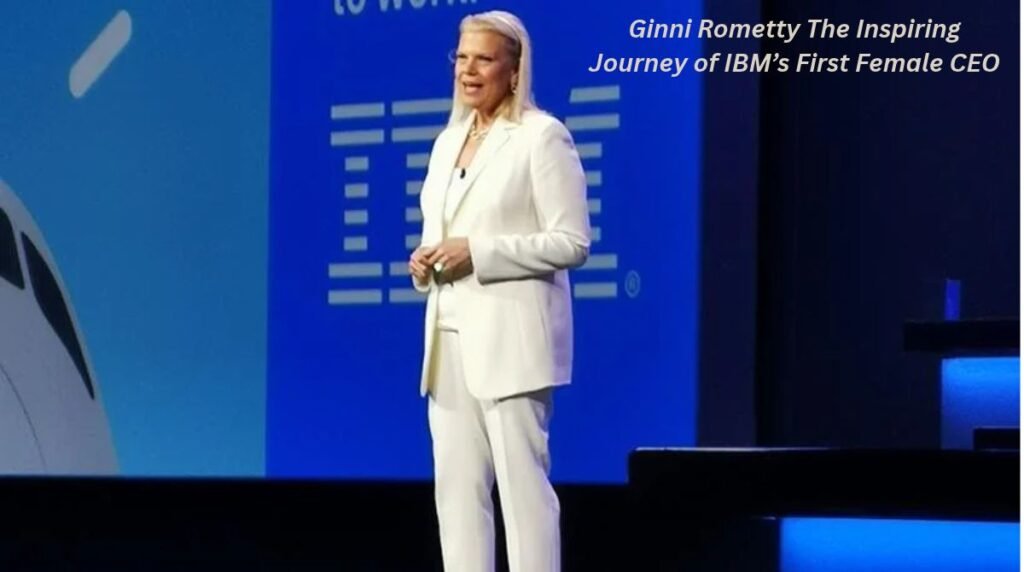
Who Is Ginni Rometty?
| Topic | Information |
|---|---|
| Full name | Virginia M. Rometty |
| Common name | Ginni Rometty |
| Birth date | July 29, 1957 |
| Birthplace | Chicago, Illinois, USA |
| Education | Northwestern University |
| Field | Technology and business leadership |
| IBM career began | 1981 |
| Became IBM CEO | January 2012 |
| Retired from IBM | December 31, 2020 |
| Husband | Mark Rometty |
| Book | Good Power |
| Main interests | Leadership, responsible technology, workforce development |
What does it take to lead one of the world’s most recognizable technology companies through a period of major change? For Ginni Rometty, the answer involved determination, technical knowledge, difficult decisions, and a willingness to step outside her comfort zone. She became a respected figure in the business world by helping IBM adapt to a rapidly changing technology industry. Her journey also shows how leadership can influence not only a company’s future but also the opportunities available to its employees.
Early Life and Family Background
Virginia M. Rometty, widely known as Ginni Rometty, was born on July 29, 1957, in Chicago, Illinois. Her early life included family challenges that helped shape her understanding of responsibility and perseverance. She has spoken about growing up during a difficult period for her family and how her mother worked to support her children. These experiences influenced the way she approached education, independence, and professional growth.
Rather than allowing difficult circumstances to define her future, Rometty focused on building a strong educational foundation. Her story later became an example of how persistence and support from family members can help someone move forward during uncertain times.
Education at Northwestern University
Rometty attended Northwestern University in Illinois, where she studied computer science and electrical engineering. She graduated with high honors and developed the technical knowledge that would become valuable throughout her career. At a time when the technology industry was evolving quickly, her combination of engineering skills and analytical thinking gave her a useful starting point.
However, technical expertise alone did not determine her success. As her career progressed, she learned how to communicate with clients, understand business needs, manage teams, and make strategic decisions. This blend of technical and leadership skills eventually helped her move into senior management.
Joining IBM and Beginning Her Career
Rometty began working at IBM in 1981 as a systems engineer. The company was already a major name in computing, but the technology sector would change considerably over the following decades. During her early years, she gained experience working with technology and customers while learning how a large international organization operated.
She gradually moved into positions with greater responsibility. Her work covered consulting, services, sales, marketing, and strategy. Each role gave her a broader view of the company’s operations and the challenges businesses faced when adopting new technology.
One important milestone came in 2002, when IBM acquired the consulting business of PricewaterhouseCoopers. Rometty played a leading role in the integration process. The deal helped strengthen IBM’s consulting capabilities and demonstrated her ability to manage complex business changes. Her performance during this period contributed to her reputation as an executive who could connect technology with practical business needs.
Becoming IBM’s First Female CEO
In January 2012, Rometty became president and chief executive officer of IBM. She also became the company’s first woman to hold the CEO position. The appointment marked a significant moment in IBM’s history and represented an important milestone for women seeking leadership opportunities in the technology industry.
Yet the role brought considerable pressure. IBM faced a changing marketplace as cloud computing, mobile technology, and new digital services altered how businesses purchased and used technology. Traditional hardware and software models were no longer enough to guarantee long-term growth.
Rometty therefore needed to make difficult choices about the company’s priorities. She focused on expanding higher-value services and investing in areas that she believed would become increasingly important. Her leadership was not simply about maintaining IBM’s established reputation. It was about preparing the company for a different technological future.
Transforming IBM for a New Technology Era
One of the defining features of Rometty’s leadership was her effort to reshape IBM’s business portfolio. She supported investments in hybrid cloud computing, artificial intelligence, cybersecurity, data services, and quantum computing. These areas offered opportunities for IBM to serve organizations that needed advanced technology and secure digital infrastructure.
Her strategy also involved selling certain businesses and redirecting resources toward newer opportunities. Such changes can be challenging for a company with a long history because they require employees, customers, and investors to adjust their expectations.
During her tenure as CEO, IBM acquired 65 companies, including Red Hat in 2019. The Red Hat acquisition became a major part of IBM’s hybrid cloud strategy. It gave IBM access to technology and expertise that supported businesses operating across different cloud environments.
The transformation was ambitious, although not every part of the strategy produced the same results. IBM continued to face competition and pressure to demonstrate consistent growth. Nevertheless, Rometty’s tenure helped establish hybrid cloud and artificial intelligence as important elements of the company’s long-term direction.
Ginni Rometty and Artificial Intelligence
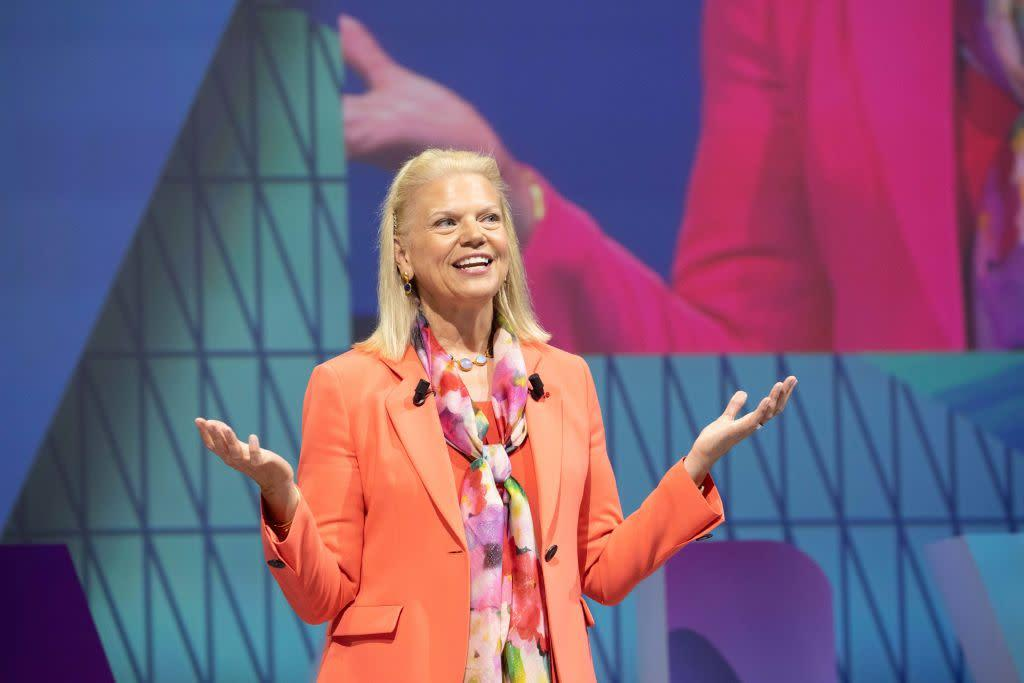
Artificial intelligence became an increasingly important part of IBM’s business during Rometty’s leadership. The company had already developed Watson, its AI platform, and sought to apply the technology to business challenges in areas such as healthcare, finance, and customer service.
Rometty supported the idea that AI should help people make better decisions rather than simply serve as a technological novelty. At the same time, she emphasized the importance of trust, data responsibility, and ethical technology development. These concerns became more relevant as businesses collected larger amounts of information and explored automated decision-making.
AI adoption also raised practical questions. How could companies use advanced systems responsibly? How should employees prepare for jobs that require new skills? And how could organizations balance innovation with privacy and security?
These questions remain important across the technology industry. Rometty’s work helped keep them within broader conversations about corporate responsibility and the future of work.
Promoting Skills-Based Hiring and Education
Rometty’s influence extended beyond IBM’s products and business strategy. She also advocated for more inclusive approaches to education and employment. One idea associated with her leadership was the creation of “new collar” jobs. These roles often require specialized technical skills without necessarily demanding a traditional four-year college degree.
This approach challenged the assumption that a university degree should always be the main measure of a candidate’s ability. Instead, it encouraged employers to consider practical experience, professional training, certifications, and demonstrated skills.
She also supported the expansion of P-TECH schools, an educational model that connects high school education with college-level learning and career preparation. The program aimed to help students develop skills relevant to growing industries.
Why does this matter? Many capable people face financial or social barriers that make traditional education difficult to access. Skills-based pathways can provide alternative routes into professional careers. Although such programs cannot solve every employment challenge, they offer another way to connect education with real workplace needs.
Ginni Rometty’s Leadership Style
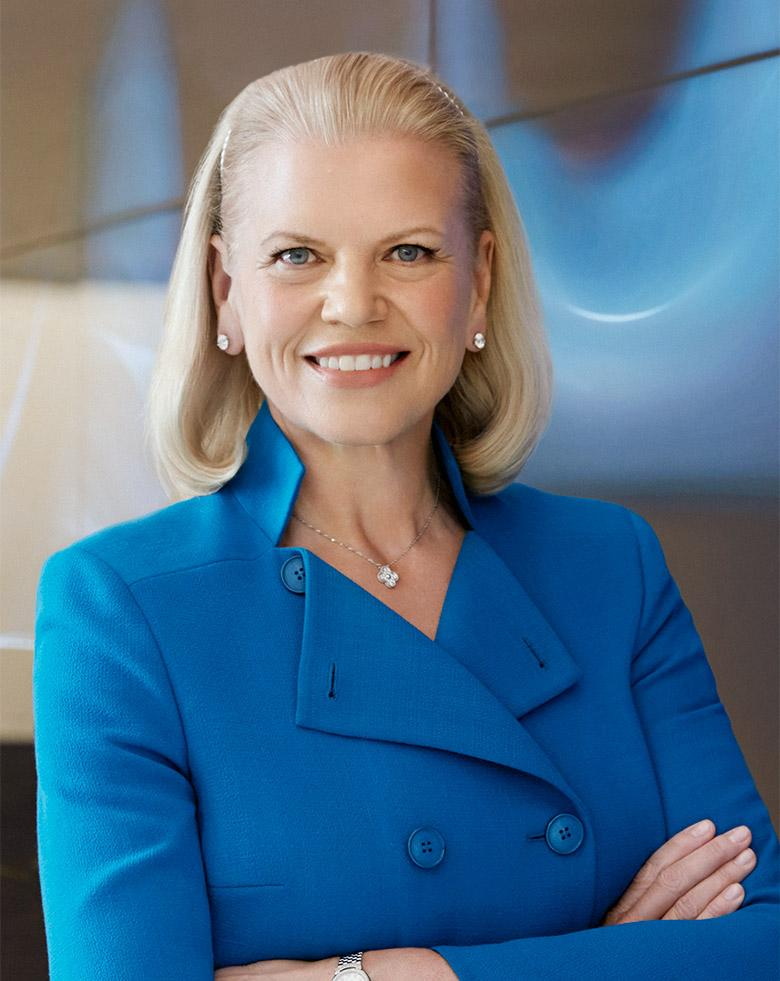
Rometty’s approach to leadership often emphasized resilience, curiosity, and learning through difficult experiences. She has discussed the importance of accepting challenging assignments and recognizing that professional growth does not always happen when everything feels comfortable.
Her career also illustrates the value of listening and adapting. Leading a large technology company requires executives to consider customer expectations, employee concerns, investor priorities, and changing market conditions. Those interests do not always align, so leaders must make decisions while balancing competing demands.
Rometty’s experience suggests that effective leadership involves more than having a strong vision. It also requires the ability to communicate that vision, make difficult choices, and help people understand why change is necessary.
Awards and Professional Recognition
Rometty received considerable recognition during her career. She appeared repeatedly on lists of influential business leaders and became known for breaking barriers in the technology sector. Her work on diversity and inclusion at IBM also received attention.
In 2018, IBM received the Catalyst Award for initiatives supporting women and workplace inclusion. The company expanded parental leave policies and developed returnship opportunities designed to help people re-enter the workforce. These efforts reflected a wider recognition that attracting talent requires organizations to consider the different circumstances employees face.
Rometty also received the French distinction of Officier de la Légion d’honneur and became a member of the National Academy of Engineering. Such honors reflect recognition of her contributions to business and technology, although her overall legacy also depends on how the results of her decisions are assessed.
Leaving IBM and Starting a New Chapter
After nearly four decades at IBM, Rometty retired from the company on December 31, 2020. Her departure closed a major chapter in a career that had taken her from systems engineering to the highest levels of corporate leadership.
Retirement did not mean stepping away from professional life. She continued contributing to leadership discussions, workforce development, and corporate governance. Her post-IBM activities have included work with SkillsRight and OneTen, organizations associated with skills-first employment and expanding access to career opportunities.
These efforts reflect a continuing interest in helping people develop skills and connect with employers. They also show that business leadership can extend beyond a single company or executive position.
Ginni Rometty’s Book: Good Power
In 2023, Rometty published Good Power: Leading Positive Change in Our Lives, Work, and World. The book combines personal experiences with lessons about leadership, resilience, and the responsible use of influence.
Rather than presenting power only as authority over others, Rometty explores how people can use their influence to help individuals, organizations, and communities. She also reflects on moments when she faced uncertainty and had to make decisions without knowing exactly how events would unfold.
The book offers lessons for readers at different stages of their careers. New professionals may find its emphasis on growth and confidence useful, while experienced managers can consider its ideas about responsibility and organizational change.
One central message is that success should not be measured only by professional status. How people achieve their goals and how their decisions affect others also matter.
Personal Life and Family
Despite her public career, Rometty has generally kept her personal life private. She is married to Mark Rometty, and she has spoken about the support he provided during important career decisions. In discussing her professional journey, she has highlighted the value of having people who encourage you to consider opportunities that initially seem intimidating.
Her story also demonstrates that career development is rarely an entirely individual effort. Family support, mentors, colleagues, and educational opportunities can all influence the direction a person takes.
Rather than focusing only on her achievements as an executive, readers can also understand her journey through the relationships and experiences that helped shape her decisions.
Ginni Rometty’s Net Worth and Financial Success
Many readers are curious about Ginni Rometty’s net worth because of her long career at a major technology company. However, a precise and independently verified figure for her current personal wealth is not readily established through authoritative public sources.
As a senior executive, she received compensation connected with her responsibilities at IBM. Her overall financial position may also involve investments and other assets, but publicly available estimates can differ significantly and may not reflect a complete picture.
For this reason, it is more accurate to discuss her executive career and publicly reported compensation than to present an unverified estimate as a confirmed fact. Her professional influence is significant regardless of the exact figure attached to her personal wealth.
Ginni Rometty’s Lasting Legacy
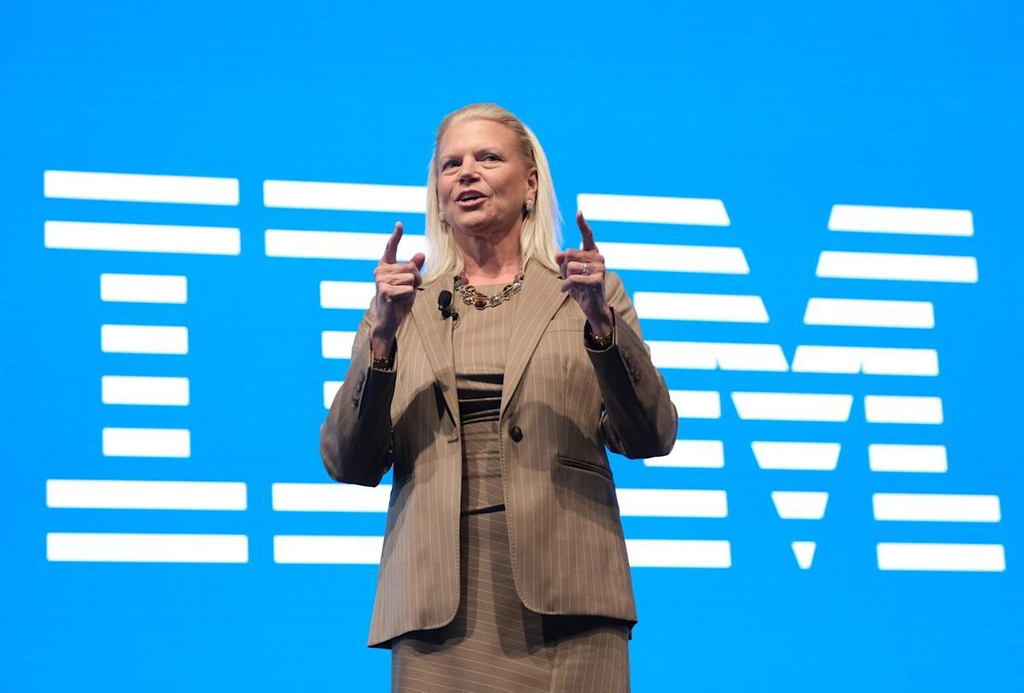
Ginni Rometty’s career offers a useful look at the opportunities and challenges that come with leading a major company through technological change. She helped IBM expand its focus on hybrid cloud computing, AI, and other emerging technologies while also promoting skills-based hiring and education initiatives.
Her tenure also involved difficult strategic decisions and continuing pressure to deliver business results. That complexity is part of what makes her career worth studying. Corporate transformation rarely happens without trade-offs, and its success can be viewed differently depending on whether the focus is innovation, financial performance, employees, or long-term competitiveness.
Even after leaving IBM, Rometty has continued to promote leadership development and broader access to employment opportunities. Her journey reminds readers that professional growth often requires persistence, adaptability, and a willingness to learn from unfamiliar situations.
For more business stories, leadership profiles, and technology insights, visit ViziToNews, where readers can explore more stories about influential people and the ideas shaping the modern world.
FAQs About Ginni Rometty
Does Ginni Rometty have children?
No. Ginni Rometty and her husband, Mark Rometty, do not have children.
Was Ginni Rometty a good CEO?
Her legacy is mixed. She expanded IBM’s focus on cloud computing and AI, but faced criticism over declining revenue and layoffs.
What is Ginni Rometty doing now?
She remains involved in leadership and workforce development initiatives, including skills-first employment efforts.
What happened to Ginni Rometty?
She retired from IBM on December 31, 2020, after nearly 40 years with the company. She has since pursued other professional and leadership activities.
What is Ginni Rometty’s net worth?
Her exact net worth is not publicly verified. Online estimates vary, so no single figure can be confirmed reliably.